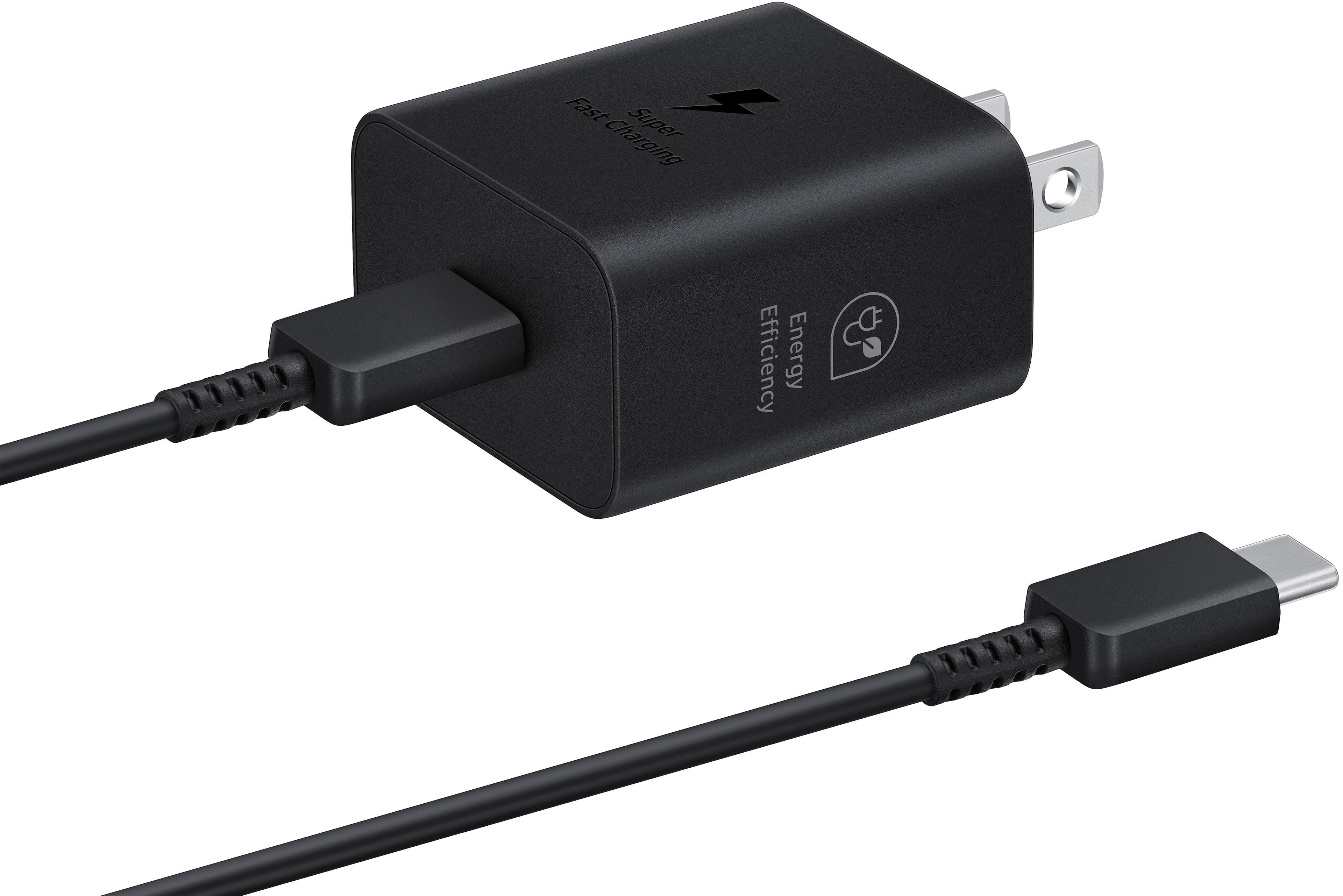
The Science Behind Fast Charging: How It Works and Why Your Devices Struggle
The advent of fast charging technology has revolutionized the way we power our devices, allowing them to reach significant battery levels in a fraction of the time required by traditional chargers. At its core, fast charging works through a combination of increased voltage and current, optimizing the energy transfer process. Most fast charging systems utilize smart charge algorithms that manage power flow, adjusting voltage and current levels based on the device’s battery state. This dynamic approach allows for rapid charging initially, tapering off as the battery approaches its full capacity to avoid overheating and extend longevity.
However, not all devices are capable of taking advantage of fast charging due to various factors, including battery chemistry and hardware compatibility. For instance, lithium-ion batteries, which power most modern electronics, have inherent limitations on how quickly they can safely accept charge. Additionally, if your device, cable, or wall charger is not designed for high wattage, you may experience slow charging rates despite having the necessary technology at your disposal. Understanding these intricacies is crucial for users aiming to maximize their charging efficiency and make informed decisions about their charging accessories.
If you're looking to streamline your workspace, consider investing in a desk charging station. These devices help organize your charging needs and keep your devices powered up without cluttering your desk. For a comprehensive list of the best options available, check out the Top 10 Desk Charging Stations that cater to various needs and styles.
Is Your Device Ready for Fast Charging? Key Features to Look For
As technology continues to evolve, fast charging has become an essential feature for many devices, allowing users to recharge their smartphones, tablets, and laptops in a fraction of the time. To determine if your device is ready for fast charging, you should look for key specifications such as battery capacity, charge protocols, and input compatibility. Devices that support fast charging often come equipped with larger batteries and advanced charging technologies, such as Qualcomm Quick Charge or USB Power Delivery (USB-PD), which enable rapid power transfer.
Additionally, it’s important to consider the accessories you use, including the charger and cable. Not all chargers are created equal, so investing in a high-quality, compatible charger can significantly impact charging times. For example, some devices may support fast charging at specific wattages, so always refer to the manufacturer's guidelines to maximize efficiency. Overall, being aware of these key features will help you take full advantage of your device's fast charging capabilities.
Common Myths About Fast Charging Debunked: What You Really Need to Know
Fast charging has become a buzzword in the tech industry, leading to various myths and misconceptions. One common myth is that fast charging significantly shortens the lifespan of your device's battery. In reality, most modern smartphones and devices are equipped with advanced battery management systems that can handle fast charging without causing damage. According to studies, while charging at a higher rate generates more heat, devices are designed to dissipate this heat effectively, making them safe to use with fast chargers. Therefore, opting for fast charging when necessary is not as detrimental to battery health as many believe.
Another prevalent myth is that using third-party fast chargers can harm your device. This notion stems from early experiences when non-certified chargers could cause issues. However, many reputable third-party manufacturers now produce fast chargers that meet industry standards and safety certifications. To ensure you're using a quality product, always look for chargers that are certified by recognized organizations, like the USB Implementers Forum (USB-IF). So, the next time you reach for a non-original fast charger, do so with confidence, provided it meets the necessary safety guidelines.